

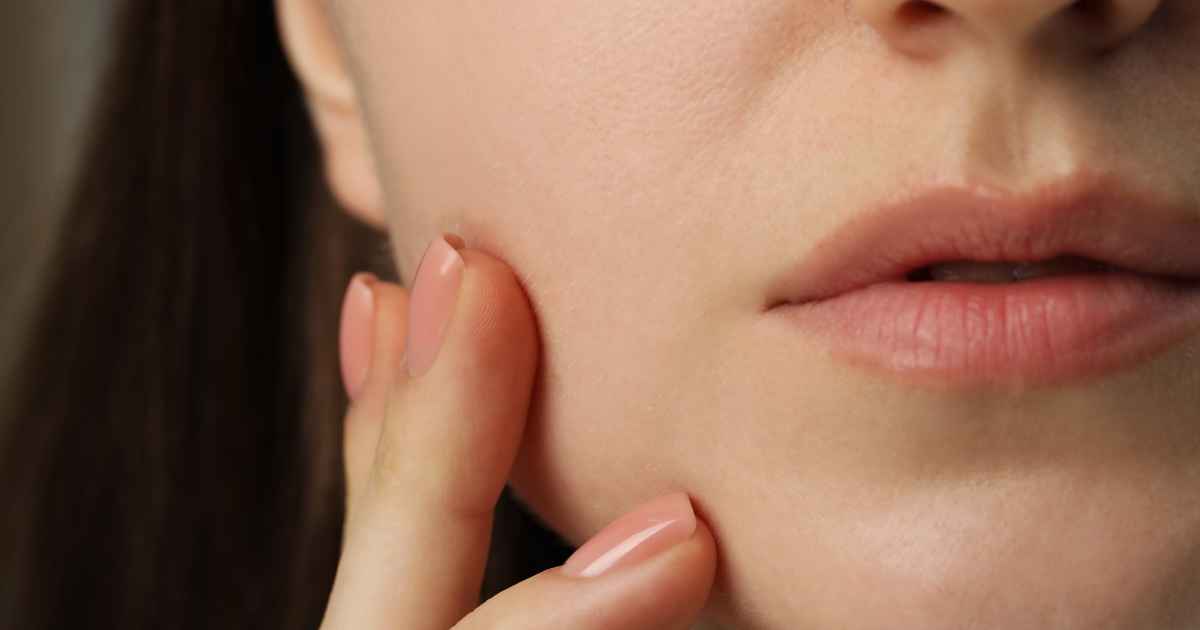
How to Know If You Have Sensitive Skin: 7 Signs to Look For
If your skin often stings after you use skincare, feels tight after washing, or gets itchy or red when the weather changes, you may have sensitive skin. Dry or flaky skin can be a sign too, but sensitive skin does not always look irritated.
The seven signs below can help you spot common patterns. They cannot tell you if you have an allergy, eczema, or another skin problem that may need a doctor for treatment.
What Is Sensitive Skin?
Sensitive skin is a skin condition where it reacts easily with stinging, burning, itching, or discomfort after contact with skincare products, weather, heat, or other triggers.
According to the International Forum for the Study of Itch, sensitive skin is a condition characterized by unpleasant sensations (like stinging, burning, or itching) in response to stimuli that shouldn't normally cause irritation.
Your skin barrier helps keep moisture in and irritants out. Research suggests that changes in the skin barrier may be involved in sensitive skin, but they do not explain every case. A damaged skin barrier is often blamed, and for good reason, as it frequently plays a major role. However, it isn’t the whole story.
Sensitive skin is also different from dry skin. Dry skin lacks enough moisture or protective oils, while sensitive skin is about how easily your skin reacts. You can have both at the same time, and oily or combination skin can be sensitive too.
Skin conditions such as eczema, rosacea, and contact dermatitis can cause similar signs. If redness, itching, burning, or rashes keep coming back or get worse, speak with a healthcare professional.
What Are the Signs of Sensitive Skin?
Sensitive skin can cause visible changes and sensations you can feel. The seven signs below can help you notice patterns in how your skin reacts. You don't need all seven to have sensitive skin.
1. Skin Redness
Repeated flushing or changes in skin colour after using skincare, washing your face, or being exposed to heat may be a sign of sensitivity. Compare the area with how your skin normally looks rather than expecting every reaction to appear bright red.
On darker skin, inflammation may look purple, grey, or darker than the surrounding skin. Some studies show that relying on visible redness alone can cause clinicians to miss or underestimate active inflammation. If you experience persistent skin changes, intense itching, or skin thickening, consult a healthcare professional rather than assuming it is just sensitive skin.
2. Stinging or Burning
Sensitive skin may sting, feel hot, or burn after you apply a cleanser, serum, or moisturiser, even when no rash is visible. A Study found that people with sensitive skin have a lower heat-pain threshold than normal. This supports the idea that sensitive skin is deeply tied to our nervous system, with researchers suggesting it may actually be a form of small fiber neuropathy—meaning the tiny nerve endings in the skin are hyper-reactive.
Notice which product you used, where you applied it, and how long the feeling lasted. Burning is not a sign that a skincare product is working. If a cosmetic causes an uncomfortable reaction, gently wash it off and stop using it.
3. Tightness After Cleansing
Your skin may feel stretched, tight, or uncomfortable after washing. This can happen because of the cleanser, hot water, frequent washing, or the way your skin responds after cleansing.
Research on skin tightness after topical treatments has linked tightness to physical changes in the outer layer of the skin. Tightness can signal that your routine needs review, but it doesn't prove you have sensitive skin because dry skin can feel tight too.
4. Dry and Flaky Patches
Dry, rough, or flaky areas can occur with sensitive skin, especially when your skin is also dry. You may notice small patches of uneven texture even if other parts of your face feel oily.
Try not to treat every flaky area by exfoliating it. The American Academy of Dermatology recommends moisturising dry or peeling skin rather than stripping away more moisture. If patches keep itching, cracking, or becoming inflamed, they may need professional assessment.
5. Skin Itching and Discomfort
Sensitive skin may feel itchy, irritated, or uncomfortable. The feeling may start after using a cosmetic product, taking a shower, wearing certain clothing, or coming into contact with laundry products.
Itching has many possible causes, including dry skin and contact dermatitis, so itching alone does not confirm sensitive skin. Try to notice where it happens, what came into contact with your skin, and whether a rash appears. Itching that keeps coming back or affects your sleep should be discussed with a healthcare professional.
6. Sensitivity to Weather Changes
Wind, cold air, heat, dry indoor air, and sudden temperature changes may make sensitive skin feel tight, itchy, or uncomfortable. Some people also notice more stinging when they move from cold outdoor air into a heated room.
Look for a repeated pattern under similar conditions. It can also help to consider other changes at the same time. For example, if you started a new cleanser just as the weather became colder, either one could be affecting your skin.
7. Reactions to Fragrances and Dyes
Some people notice itching, soreness, or irritation after using scented skincare, perfume, or coloured cosmetics. However, reacting to a product that contains fragrance or dye does not prove that one of those ingredients caused the reaction.
Fragrance can cause either irritation or an allergic reaction, and some natural fragrance ingredients can also act as allergens. A review of fragrance contact allergy explains why a person's exposure history and patch-test results can matter when an allergy is suspected.
If the same type of reaction happens more than once, keep the product name and ingredient list. This can make it easier to identify possible triggers with a healthcare professional.
What Can Trigger Sensitive Skin?
Sensitive skin can react to more than one trigger at a time. A product that felt fine before may sting or irritate your skin when it is dry, stressed, or already irritated. Looking at recent changes in your routine, environment, and skin can help you spot possible triggers.
Skincare Overload
Using several strong or potentially irritating products at the same time can make skin more reactive. This may happen when you use exfoliating acids, retinoids, scrubs, or masks too often or combine them in the same routine.
The problem is often the amount, strength, and frequency of products, not one ingredient alone. If discomfort starts after adding several new steps, stop the non-essential products and return to a simple routine you already tolerate. Expert guidance on sensitive skin helps you avoid suspected triggers and choose well-tolerated skincare.
Harsh Cleansing and Hot Water
Frequent washing, strong cleansers, hot water, and rough rubbing can make skin feel dry, tight, or irritated. Friction from washcloths or towels may add to the discomfort.
Use lukewarm water, light pressure, and gentle drying. If your skin already feels tight after cleansing, washing it again may simply repeat the exposure that caused the discomfort.
Weather and Temperature Changes
Cold, heat, wind, air conditioning, and sudden temperature changes can trigger discomfort in sensitive skin. A systematic review of sensitive skin triggers found that people with sensitive skin commonly reported environmental factors.
Look for patterns in your own skin. For example, notice whether it feels tighter in cold weather or stings after wind exposure. A moisturiser that suits your skin and protection from harsh weather may help reduce discomfort.
Stress and Hormonal Changes
Some people notice that their skin feels more reactive during periods of stress or around hormonal changes. These patterns can be useful to track, but they do not prove that stress or hormones are the cause.
Sleep may also affect how well the skin recovers. A study on sleep quality and skin barrier recovery found slower barrier recovery in people with poor sleep quality after the skin was experimentally stressed. This does not mean that poor sleep causes sensitive skin.
If reactions keep appearing during similar periods, note the pattern. Other causes, such as a new product, allergy, or skin condition, may still need to be considered.
Eczema, Rosacea, and Contact Dermatitis
Eczema, rosacea, and contact dermatitis can cause symptoms that feel like sensitive skin, including redness, itching, burning, and irritation. These are skin conditions, not simple everyday triggers.
If you have a rash that keeps returning, persistent flushing, painful burning, or skin that cracks and itches, speak with a healthcare professional. Changing skincare products alone may not be enough if an underlying condition is causing the symptoms.
How Should You Care for Sensitive Skin?
Start by reducing things that may irritate your skin and keep your routine easy to follow. A simple, steady routine makes it easier to notice when your skin reacts and what may have caused the change.
Keep Your Routine Simple
Build your routine around a gentle cleanser, a moisturiser your skin tolerates, and daily sun protection. Choose a broad-spectrum sunscreen with SPF 30 or higher, and use shade or protective clothing when needed.
Pause optional scrubs, peels, and masks while your skin feels irritated. Keep using prescribed treatments as your healthcare professional advises. When you add a new skincare product, change only one step at a time so you can see how your skin responds.
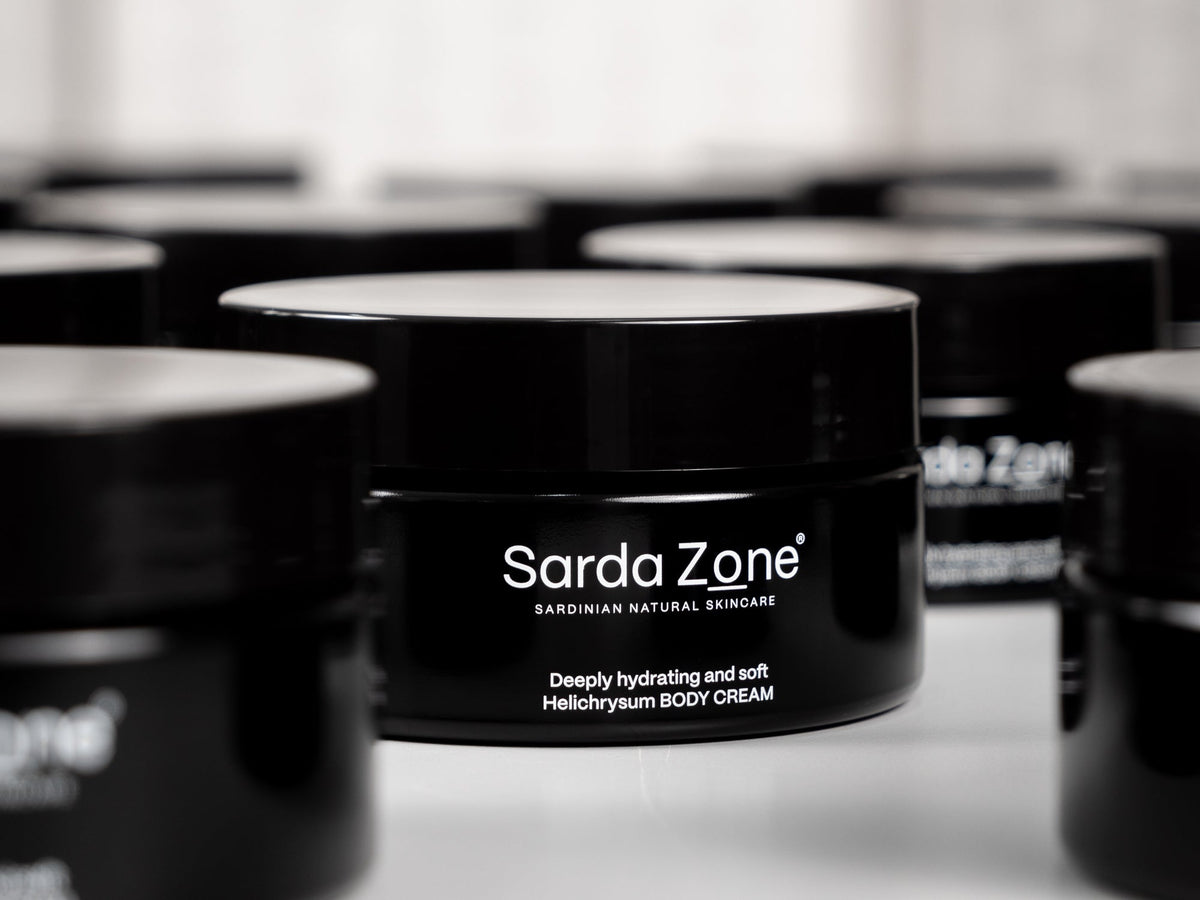
If you already use Helichrysum skincare, The Helichrysum Routine: A Guide for Sensitive Skin explains how cream, oil, and balm can fit into a simple routine. Richer layers are optional, so you don't need to use every texture at every application.
Choose Products Your Skin Tolerates
Choose products based on the full ingredient list and how your skin responds, rather than one “good” ingredient or a “natural” label. Fragrance-free products may be useful if fragrance is a known trigger. Keep in mind that “unscented” does not always mean fragrance-free.
Texture matters too. A richer cream may feel better on dry areas, while other parts of your skin may need less. Avoid ingredients that you know cause a reaction, even if the product is marketed for sensitive skin.
The same rule applies to botanical ingredients. A plant extract and a concentrated essential oil are different preparations. Our guide to Helichrysum italicum extract explains this difference. The plant name alone cannot tell you how a finished skincare product will feel on your skin.
Test a New Product on a Small Area
Before using a new product more widely, test it on a small area of skin. The American Academy of Dermatology recommends a seven-to-ten-day test for new skincare products, using the normal amount twice a day on a small area such as the underside of the arm or the bend of the elbow.
Use the product as directed. If it is a rinse-off cleanser, rinse it off as you normally would rather than leaving it on for a long time. Stop using the product and gently wash it off if you develop redness, itching, swelling, or other discomfort.
This small-area test may help you notice an unwanted reaction, but it cannot guarantee that you will tolerate the product everywhere or every time. It is also different from diagnostic patch testing, which a dermatologist may use to investigate contact allergy.
Is Helichrysum Good for Sensitive Skin?
Helichrysum may suit some people when used in a well-formulated skincare product, but it is not suitable for everyone with sensitive skin.
A skin-explant study found barrier-related effects from a specific Corsican Helichrysum italicum essential oil and one of its components, nerol acetate. This does not prove that Helichrysum products treat sensitive skin. A published case report has also described contact allergy to Helichrysum in a cream. This shows a reaction is possible, but it doesn't tell us how common it is.
The preparation, concentration, and full formula all matter. Avoid applying undiluted essential oil directly to sensitive skin.
Once you understand your skin’s signs and simplify your routine, you can look more closely at how this botanical may fit into your skincare. Our article Why Is Helichrysum So Effective for Sensitive Skin? looks at its traditional use, current research, and the limits to keep in mind when choosing a formula.
Summary
Sensitive skin may show up as recurring redness, stinging, tightness, flaking, itching, or reactions to products and weather. These signs can help you recognise a pattern, but they cannot diagnose a skin condition.
Start with products your skin already tolerates, keep your routine simple, and introduce new products one at a time. If symptoms keep coming back, become severe, or do not improve with gentle care, speak with a healthcare professional.
Understanding what triggers your skin is usually more useful than adding more products without knowing the cause.
References
- Misery L, Ständer S, Szepietowski JC, et al. “Definition of Sensitive Skin: An Expert Position Paper from the Special Interest Group on Sensitive Skin of the International Forum for the Study of Itch.” Acta Dermato-Venereologica. 2017;97(1):4–6. https://doi.org/10.2340/00015555-2397
- Misery L, Weisshaar E, Brenaut E, et al. “Pathophysiology and Management of Sensitive Skin: Position Paper from the Special Interest Group on Sensitive Skin of the International Forum for the Study of Itch (IFSI).” Journal of the European Academy of Dermatology and Venereology. 2020;34(2):222–229. https://doi.org/10.1111/jdv.16000
- Sachdeva M, Joseph M. “Dermatology: How to Manage Atopic Dermatitis in Patients with Skin of Colour.” Drugs in Context. 2022;11:2021-12-1. https://doi.org/10.7573/dic.2021-12-1
- Huet F, Dion A, Batardière A, et al. “Sensitive Skin Can Be Small Fibre Neuropathy: Results from a Case-Control Quantitative Sensory Testing Study.” British Journal of Dermatology. 2018;179(5):1157–1162. https://doi.org/10.1111/bjd.17082
- Sukakul T, Bruze M, Svedman C. “Fragrance Contact Allergy – A Review Focusing on Patch Testing.” Acta Dermato-Venereologica. 2024;104. https://doi.org/10.2340/actadv.v104.40332
- Brenaut E, Barnetche T, Le Gall-Ianotto C, et al. “Triggering Factors in Sensitive Skin from the Worldwide Patients’ Point of View: A Systematic Literature Review and Meta-Analysis.” Journal of the European Academy of Dermatology and Venereology. 2020;34(2):230–238. https://doi.org/10.1111/jdv.15985
- Oyetakin-White P, Suggs A, Koo B, et al. “Does Poor Sleep Quality Affect Skin Ageing?” Clinical and Experimental Dermatology. 2015;40(1):17–22. https://doi.org/10.1111/ced.12455
- American Academy of Dermatology Association. “How to Pick the Right Moisturizer for Your Skin.” Updated January 25, 2022. https://www.aad.org/public/everyday-care/skin-care-basics/dry/pick-moisturizer
- American Academy of Dermatology Association. “How to Test Skin Care Products.” Updated August 10, 2021. https://www.aad.org/public/everyday-care/skin-care-secrets/prevent-skin-problems/test-skin-care-products
- Lemaire G, Olivero M, Rouquet V, et al. “Neryl Acetate, the Major Component of Corsican Helichrysum italicum Essential Oil, Mediates Its Biological Activities on Skin Barrier.” PLOS ONE. 2023;18(3):e0268384. https://doi.org/10.1371/journal.pone.0268384
- Foti C, Guida S, Antelmi A, Romita P, Corazza M. “Allergic Contact Dermatitis Caused by Helichrysum italicum Contained in an Emollient Cream.” Contact Dermatitis. 2013;69(1):62–63. https://doi.org/10.1111/cod.12049


Leave a comment
This site is protected by hCaptcha and the hCaptcha Privacy Policy and Terms of Service apply.