

Natural Skincare Ingredients for Sensitive Skin: What to Look For
Do you feel frustrated when choosing skincare for sensitive skin? It can be difficult to know what your skin really needs, especially when certain products cause unexpected redness, stinging, dryness, or flaking. Formulas with too many active ingredients can also make it harder to understand what is helping your skin and what may be causing a reaction.
For sensitive skin, a simple skincare routine can be easier to manage. Start by paying attention to how your skin responds, introduce products gradually, and focus on each ingredient's role rather than relying only on claims such as “natural” or “gentle.”
In this guide, we explain the key ingredients used across our natural helichrysum skincare collection and what each one contributes to a formula. Several of our products use relatively short ingredient lists, with different ingredients serving different purposes such as hydration, emollience, moisture retention, and skin conditioning.
At the heart of Sarda Zone is Helichrysum italicum, a Mediterranean botanical closely connected to our Sardinian heritage and Blue Zone Beauty Habits. It is the central botanical across our skincare collection and an important part of the story behind our approach to simple, ingredient-focused skincare.
We will also look at other ingredients used alongside Helichrysum, including squalane, aloe vera, shea butter, sweet almond oil, beeswax, vitamin E, argan oil, olive oil, and sodium hyaluronate, so you can better understand what to look for when choosing skincare for sensitive skin.
Natural Ingredients for Sensitive Skin: What Each One Does
Humectants bind water, emollients soften and smooth skin, and occlusive ingredients help limit water loss. These roles can overlap. The ingredients below are examples from our collection, not a universal list of the best ingredients for everyone. Ingredient sources and processing methods also vary, so an INCI name—the standard name on a cosmetic ingredient list—doesn't always indicate natural origin.
1. Helichrysum italicum
-
What it is: Helichrysum italicum is a Mediterranean flowering plant also known as immortelle. In skincare, it may appear as flower extract, flower water, or essential oil, and these preparations differ.
-
What it is used for / potential benefits: Helichrysum appears in botanical skincare formulas, including products designed for skin comfort. Its contribution depends on the preparation, concentration, and full formula; the plant name alone does not establish a benefit for sensitive skin. Flower extract is not interchangeable with essential oil. Our guide to Helichrysum italicum extract explains the distinction.
2. Squalane
-
What it is: Squalane is a lightweight, oil-like skincare ingredient that is different from squalene. Its source can vary, so the INCI name alone does not always indicate whether it is plant-derived.
-
What it is used for / benefits: Squalane works mainly as an emollient that helps the skin feel softer and smoother. It can support a moisturising formula without performing the same water-binding role as a humectant.
3. Hyaluronic Acid and Sodium Hyaluronate
-
What it is: Hyaluronic acid is a water-binding substance, while sodium hyaluronate is a related salt form commonly used in skincare. Both are frequently found in moisturisers and serums.
-
What it is used for / benefits: They function mainly as humectants that help the upper layers of the skin attract and retain water. Their role differs from oils, butters, and waxes, which mainly provide emollience or help reduce moisture loss.
4. Aloe Vera
-
What it is: Aloe vera is a succulent plant whose leaf material is used in skincare as juice, powder, or extract. These forms are not always equivalent because their preparation and concentration can differ.
-
What it is used for / benefits: Aloe vera is commonly used for skin conditioning and moisture support within a finished skincare formula. Its effect should be considered together with the other ingredients in the product rather than judged from the aloe claim alone.
5. Shea Butter
-
What it is: Shea butter is a plant-derived fat obtained from the fruit of the shea tree. In skincare, it is commonly used in creams, balms, and richer moisturising products.
-
What it is used for / benefits: Shea butter acts mainly as an emollient that helps soften dry-feeling skin and adds richness to a formula. Its heavier texture can be useful in products designed to provide a more substantial moisturising feel.
6. Sweet Almond Oil
-
What it is: Sweet almond oil is a plant oil obtained from sweet almonds and commonly used in skincare formulas. On ingredient lists, it usually appears as Prunus Amygdalus Dulcis Oil.
-
What it is used for / benefits: Sweet almond oil works mainly as an emollient, helping the skin feel softer and improving the spreadability of creams, balms, and oils. If you have a known almond allergy, consider that history before choosing an almond-based skincare product.
7. Beeswax
-
What it is: Beeswax is a natural wax produced by bees and commonly used in balms and richer creams. It also helps give these products structure and a more substantial texture.
-
What it is used for / benefits: Beeswax can form a film on the skin that helps reduce moisture loss. Because it is animal-derived, it may not suit people who prefer vegan skincare products.
8. Vitamin E
-
What it is: Vitamin E refers to a group of fat-soluble compounds that may appear in skincare as tocopherol or tocopheryl acetate. These forms can serve slightly different roles within a cosmetic formula.
-
What it is used for / benefits: Tocopherol can help protect oils in a formula from oxidation. Tocopheryl acetate is a vitamin E derivative used mainly for skin conditioning; the two forms are not interchangeable as formula antioxidants. It can support the overall formula, but it does not, by itself, mean a product is suitable for sensitive skin.
9. Argan Oil
-
What it is: Argan oil is a plant oil obtained from the kernels of the argan tree. In skincare, it is commonly used in the oil phase of creams, balms, and facial oils.
-
What it is used for / benefits: Argan oil mainly acts as an emollient, helping skin feel softer and smoother while adding richness to a formula. Its effect depends on how much is used and whether it appears in a cream, balm, or predominantly oil-based product.
10. Olive Oil
-
What it is: Olive oil is a plant oil obtained from the fruit of the olive tree and may be used as part of the oil phase in skincare products. On ingredient lists, it may appear as Olea Europaea Fruit Oil or Olea Europaea Oil.
-
What it is used for / benefits: Olive oil can contribute emollient richness and help improve the feel of a finished formula. Direct application of olive oil is not the same as using it in a balanced cosmetic product, so judge its role in the context of the complete formulation.
Which Ingredients Should You Avoid or Use with Care?
Start with ingredients that have caused your skin to react before. There is no single avoid list for all sensitive skin. Some ingredients need more care, while others only need to be avoided if they are a known trigger for you.
Fragrance and scented plant ingredients
Fragrance can irritate skin or trigger an allergic reaction in some people. Scents from essential oils and plant extracts can also be triggers. If your skin reacts to fragrance, choose fragrance-free products and read the full label. Names to check include Parfum, Fragrance, Linalool, and Limonene. A product marked “unscented” may still contain ingredients that mask its smell.
Drying alcohols
Alcohols such as ethanol, isopropyl alcohol, and alcohol denat. can dry or sting sensitive skin. Their effect depends on the amount used and the rest of the formula. Fatty alcohols, such as cetyl, stearyl, and cetearyl alcohol, are different. They help creams feel smooth and soften skin. Do not rule out a product just because “alcohol” appears on its label.
Harsh cleansers, including SLS
Strong cleansing ingredients, such as sodium lauryl sulfate (SLS), can leave skin dry or irritated. Pay attention if your skin feels tight, sore, or itchy after washing. Not all sulfates affect skin the same way. The whole formula, how often you wash, and how long the cleanser stays on your skin also matter. Choose a cleanser that leaves your skin feeling clean and comfortable.
Strong exfoliating acids
Exfoliating acids, such as glycolic acid and salicylic acid, help remove dead skin cells. They can also cause stinging, dryness, or peeling, especially at higher strengths or with overuse. Take care when adding them, and avoid using several exfoliating products at once. Hyaluronic acid is different: it helps skin hold water and does not exfoliate.
Retinoids
Retinoids, including retinol, can cause dryness, peeling, or stinging when you first start using them. Using them too often may also irritate your skin. You do not always need to avoid them. Follow the product directions and introduce them slowly. If you use a prescribed retinoid, ask your prescriber how to adjust it if your skin feels sore.
Preservatives that trigger a reaction
Preservatives help stop harmful germs from growing in many skincare products. They serve an important purpose, though some people are allergic to certain types. Avoid a preservative if you know it causes an allergic reaction. A reaction to one does not mean you need to avoid them all. If the cause is unclear, a dermatologist can help find the trigger.
Ingredients linked to your own allergies
Natural ingredients need the same care as any other ingredient. Avoid plant oils or extracts that you know cause an allergic reaction. If you have an almond allergy, ask a healthcare professional before using skincare with sweet almond oil. The four Sarda Zone products discussed below list sweet almond oil.
Stop using a product if it causes a reaction. Keep its name and full ingredient list to help trace the cause. Seek advice from a dermatologist if symptoms persist or keep coming back.
Which Sarda Zone Products Use These Ingredients?
The ingredients above appear across different Sarda Zone formulas, and each product combines them differently. The main difference isn't just the ingredient list, but also the product format, texture, and role each ingredient plays in the formula.
Helichrysum Body Cream
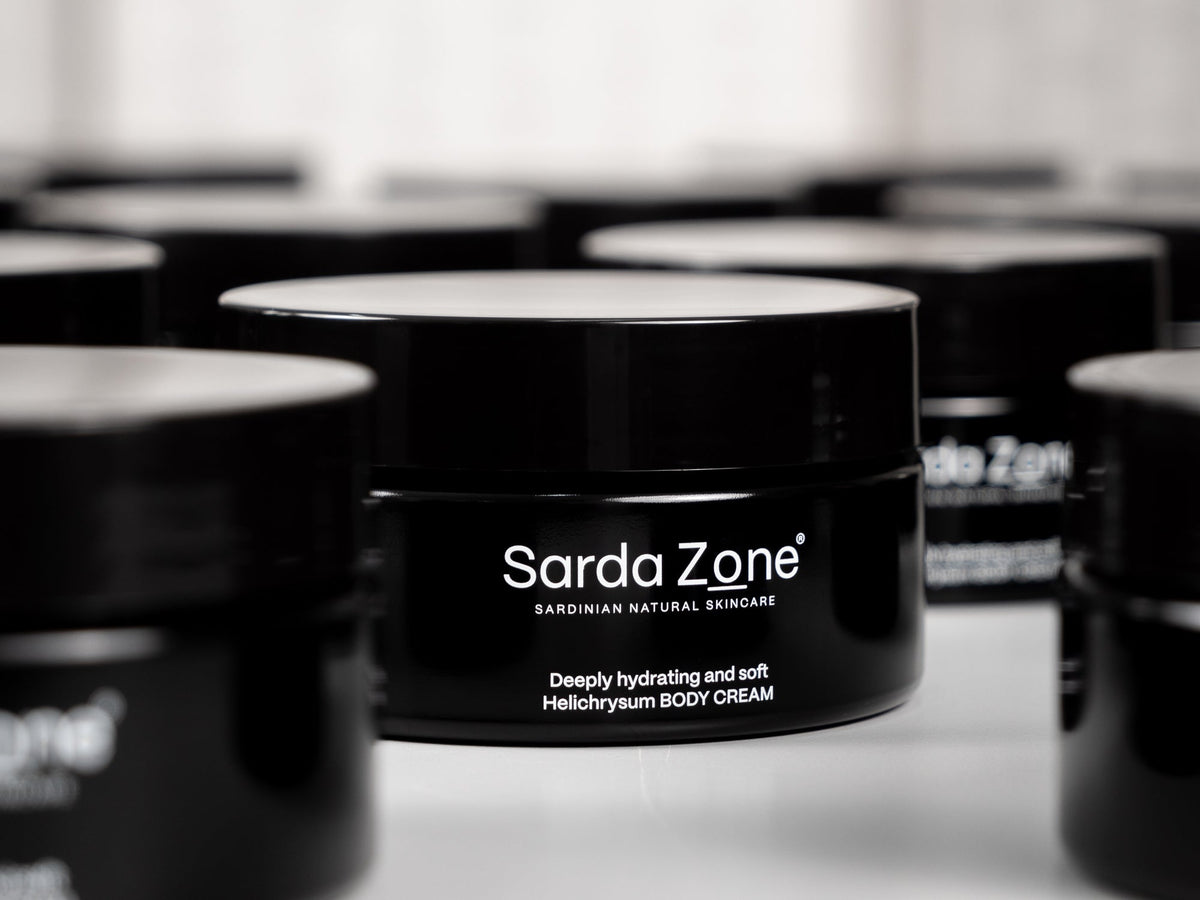
Our Helichrysum Body Cream combines Helichrysum flower extract with sweet almond oil, shea butter, olive oil, and argan oil. This combination creates a richer cream formula focused on emollience, softness, and moisture support.
Body/Face Balm
Our Body/Face Balm contains Helichrysum extract, sweet almond oil, beeswax, and vitamin E. The beeswax gives the formula a more substantial balm texture and helps create a layer that can reduce moisture loss.
Body/Face Oil
Our Body/Face Oil combines sweet almond oil, Helichrysum flower extract, and vitamin E. Its oil-based format focuses mainly on emollience and softness rather than the water-binding function provided by humectants.
Face Cream 24h
Our Face Cream 24h combines Helichrysum flower water and extract with aloe vera, squalane, and sodium hyaluronate. These ingredients combine water-binding support with emollience. Its ingredient list also includes sweet almond oil, beeswax, Lavandula Oil/Extract, Linalool, and Limonene. It is therefore not fragrance-free or vegan, and may not suit you if scented ingredients are a known trigger.
Each product uses Helichrysum as part of the formula, but the supporting ingredients change depending on the product's texture and purpose. Choose based on the format you prefer and the ingredients your skin tolerates comfortably.
Summary
Choosing natural skincare ingredients for sensitive skin starts with understanding their role and checking the complete formula against your own triggers.
Humectants such as sodium hyaluronate help retain water, while emollients such as squalane, sweet almond oil, argan oil, and olive oil help soften the skin. Shea butter and beeswax provide richer moisture support, while vitamin E contributes antioxidant and skin-conditioning functions.
At the heart of Sarda Zone is Helichrysum italicum, a Mediterranean botanical connected to our Sardinian heritage and used across our skincare collection in different forms. Each formula combines Helichrysum with supporting ingredients to create different textures for face and body care. The creams have more complex ingredient lists than the oil and balm.
Choose the formula that matches your skin's needs, your preferred texture, and your individual tolerance. Keep your routine simple, introduce new products gradually, and watch how your skin responds.


Leave a comment
This site is protected by hCaptcha and the hCaptcha Privacy Policy and Terms of Service apply.