

Article: What Should You Do If Your Skin Reacts to a Product?

What Should You Do If Your Skin Reacts to a Product?
When your skincare products just make you rash, tiny bumps, stinging, burning, redness or other unwanted skin reaction, then stop immediately. These reactions can feel uncomfortable and leave you unsure about what to do next, especially when you expect the product to help your skin.
In this guide, we’re gonna tell you about how to deal with immediate skin reactions to new products.
What Should You Do Immediately After a Skin Reaction?
For a mild reaction limited to the skin, remove the suspected product and avoid further irritation. Burning or itching alone cannot tell you whether the cause is irritation, allergy, or another skin condition.
1. Stop Using the Product Immediately
-
What to do: Stop using the product immediately. Do not keep applying the product hoping your skin will adjust, and avoid testing it elsewhere while your skin is flared up.
-
What to track: Save the packaging or take a photo of the ingredient list. Note when you used it, when symptoms started, and any other products applied to the same spot. Taking photos of your skin reaction over time will help your doctor evaluate what happened.
-
Understanding the cause: Irritant contact dermatitis involves direct skin damage, whereas allergic contact dermatitis involves an immune system response. WHile your history of sudden skin sensitivity offers useful context, it cannot confirm the exact cause without professional evaluation.
2. Rinse the Affected Area With Lukewarm Water
-
Rinse gently: Gently rinse away the product with lukewarm water. If residue remains, use a mild cleanser you already tolerate rather than scrubbing harder. Avoid hot water, cleansing brushes, exfoliating cloths, and repeated washing.
-
Pat dry: Gently pat the area dry with a soft, clean towel to remove residue without adding friction.
-
Monitor your skin: Promptly washing off an irritant or allergen with lukewarm water helps remove surface residue, but it may not instantly stop a reaction that has already been triggered. Continue monitoring your skin even after the product is gone.
3. Apply a Cold Compress
-
How to apply: Soak a clean, soft cloth in cool water, wring it out, and lay it gently over the affected skin for 10–15 minutes at a time, a few times daily. Avoid placing ice directly on your skin, and resist the urge to scratch.
-
When to seek medical care: A cool compress provides temporary comfort, not a cure. Seek immediate medical attention for severe reactions, rapidly worsening symptoms, increasing pain, pus or discharge, fever, or if you feel systemic illness.
-
Follow-up: Schedule a medical appointment if symptoms persist, keep returning, or fail to respond to gentle home care. Do not wait for a scheduled appointment if emergency symptoms develop.
4. Avoid Harsh Actives and Fragranced Ingredients
-
Pause active ingredients: Avoid experimenting with heavily fragranced balms or layering multiple new products over the flare-up. Pause optional exfoliating acids, retinoids, scrubs, and any products that sting. If using prescribed skincare, contact your prescriber before adjusting treatment.
-
Ointments vs. Irritants: The important distinction is the formula composition, not just its thickness. For example, plain petroleum jelly is an inert ointment to ease product reactions. A pharmacist can help you decide whether a simple moisturizer or plain ointment is right for you.
-
Ingredient caution: Choose fragrance-free formulas where possible and avoid known triggers. Labels like "natural" or "unscented" do not guarantee a product will be non-irritating. Reviewing common sensitive skin triggers can help you check your routine without assuming every ingredient is harmful.
5. Keep Your Skincare Routine Gentle and Simple
-
Keep it simple: Use only essential steps your skin comfortably tolerates: a gentle cleanser and a plain, suitable moisturizer. If even basic products cause discomfort, consult a dermatologist near you.
-
Medicated treatments: Some reactions require medicated treatments depending on severity and location. Always seek medical advice before applying over-the-counter steroid creams to your face.
-
Sun protection: Protect recovering skin outdoors with shade and protective clothing. Use a mineral or well-tolerated sunscreen; if it stings, ask a healthcare provider for alternatives.
-
Avoid over-complicating: "Skin care doesn’t need to be complicated," notes dermatologist Mary Alice Mina, MD, FAAD. If you are rebuilding your routine after recovery, our guide to a simple routine for sensitive skin explains how to choose only the steps you need.
Summary
If your skin reacts to a cosmetic product, stop using it immediately and gently rinse the area with lukewarm water. Keep your routine simple while your skin recovers, and stay alert for signs that require medical evaluation. Once your skin has fully settled, choose products thoughtfully and focus on a minimalist routine tailored to your skin's needs.
Note: Cosmetic products are intended for daily care—they are not treatments for acute allergic or inflammatory skin reactions. If you are recovering from a flare-up, consult a healthcare provider before introducing new formulas.
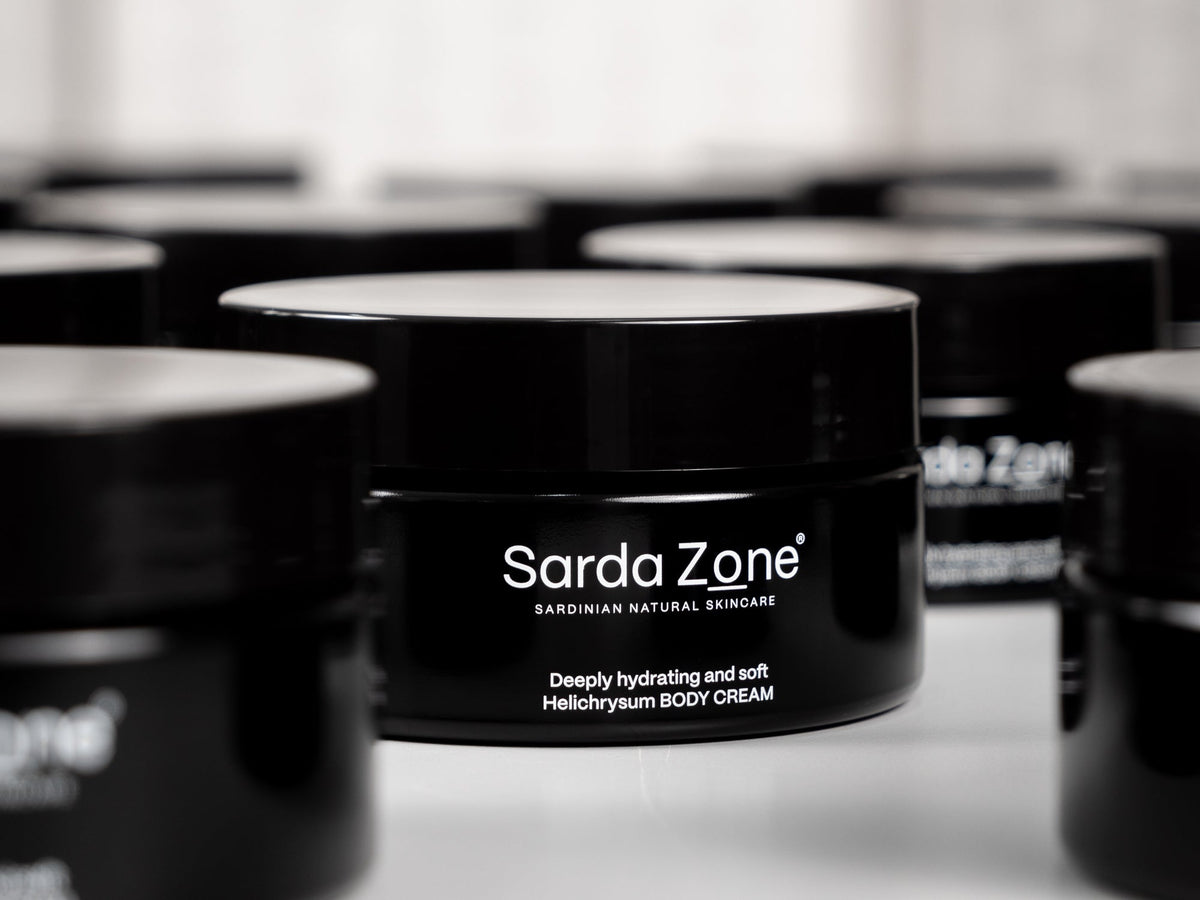
If you want to find a natural skincare after recovery, explore our guide to helichrysum for sensitive skin. Always consider the complete formulation and your personal skin triggers when selecting products.
We offer skincare options to consider when building a simple, skin-conscious routine. Explore the available products and choose what best fits your individual skincare needs, starting with our helichrysum skincare collection.

Leave a comment
This site is protected by hCaptcha and the hCaptcha Privacy Policy and Terms of Service apply.